
Spirituality
As a church school we are concerned with the development of people’s mind, body, and soul. We believe that spirituality should influence all areas of education and life, therefore we aim that all areas of the curriculum contribute to pupils’ spiritual development. Spiritual development relates to fundamental questions about the meaning and purpose of life which affect everyone and is not dependent on a religious affiliation.
Spiritual development is not about becoming more spiritual, it is about realising or becoming more aware of one’s natural, innate spirituality. This is sometimes a slow and gradual process, at other times there might be significant stages of realisation, which are part of the ongoing ‘developing’ process. People don’t reach a finished state of spiritual development but participate in the ongoing process of spiritual realisation
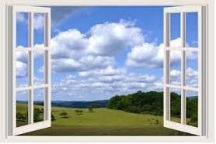
Windows: Giving opportunities to become aware of the world in new ways. Learning about life in all its fullness. This includes both the things that amaze us and challenge us.

Mirrors: Giving opportunities to reflect upon our experiences. To meditate on life's big questions and consider some possible answers. Learning from life by exploring our own insights and perspectives and those of others.

Doors: Giving opportunities to respond, to do something creative in order to express, apply and further develop our thoughts and convictions. Learning to live by putting into action our beliefs and values. Giving us the possibility of change and resolving to do something practical that will bring change about.
Spirituality
Spirituality is a very personal experience. It differs from person to person, and often spirituality changes within people during their lifetime. Spirituality is not the same as having a religion or faith; a person can be spiritual without having a particular faith.
Awe and Wonder
Children are born inquisitive, and it is our duty to nurture this natural curiosity and guide them towards looking at the world and noticing, with awe and wonder, the natural and man-made delights all around us.
We want to encourage them to ask ‘big questions’ about life, religion, nature, science and any other area of fascination.
We teach our children to ask challenging questions and explore the importance of reflecting on the world around us. We take time to lie in the grass and explore the skies above. We listen to the birds in the forest and explore nature in the local countryside.
How is Spirituality Nurtured?
Children’s spiritual development is fostered through all aspects of our provision. It is about the relationships and the values that we consider to be important, as well as the development of knowledge, concepts, skills and attitudes. We give children opportunities to:
-
Express personal beliefs and compare views with others, sharing feelings and opinions through discussions and stories.
-
Begin to develop their own system of beliefs which may or may not include religious beliefs.
-
Experience a love of learning through rewarding their enthusiasm and by encouraging exploratory play and learning.
-
Reflect upon the world around them and show a sense of awe and wonder towards aspects of the natural world or human achievement.
-
Reflect on the situations of others through role play, stories.
-
Experience a range of stories, music, art, drama and dance
What is the Role of the School Community?
In school we give opportunities for reflection, in lessons and collective worship, children develop an understanding of looking back and reflecting on what they have experienced. This may take the form of looking back and taking from the past, from a Bible story, from a picture/icon/view/learning experience. The focus is to help us in our lives today and tomorrow.
All members of the school community have a responsibility for helping to nurture children’s spiritual development.